

Managing Separation Anxiety in Children
Separation anxiety is a common and often distressing experience for children, especially in early childhood. Whether it’s starting school, being away from a parent, or changes in routine, these moments can bring worry, clinginess and emotional upset.


1
An Introduction to Separation Anxiety
Watch the short clip below for a parent or carer introduction to Little Bear Finds His Way, a gentle animation created to support children coping with separation anxiety and the challenges of being apart from their parent or caregiver.
An Animated Story to Help Children with Separation Anxiety
2
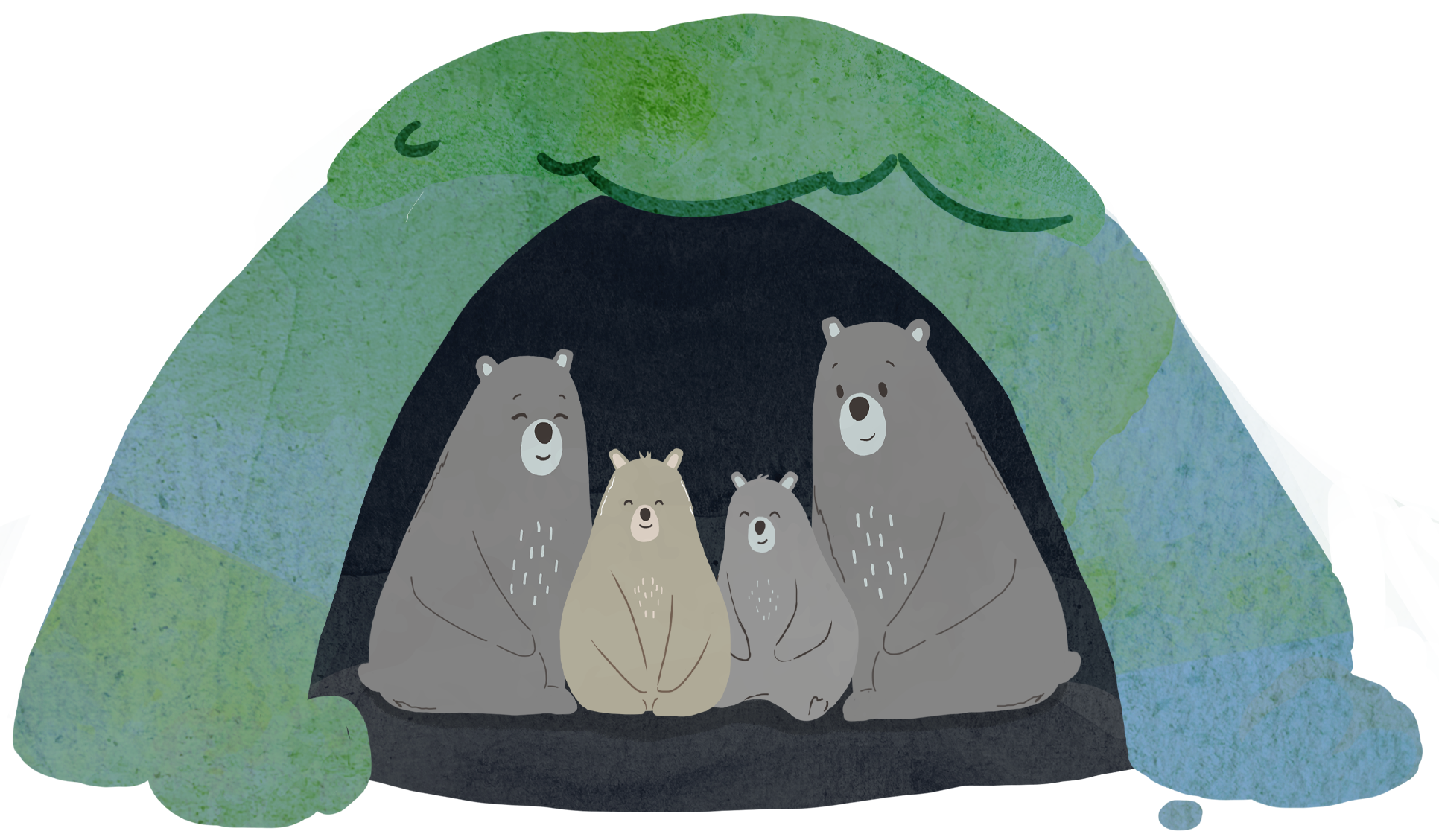
This short animation was created to support children who find it difficult to be apart from their parent or caregiver. Through the story of Little Bear, it gently explores the feelings that come with separation, such as worry, fear or sadness and offers simple, reassuring messages that help children feel safe and understood. It’s especially helpful during key transitions, like starting nursery or school, staying with a new caregiver, or experiencing changes in routine.
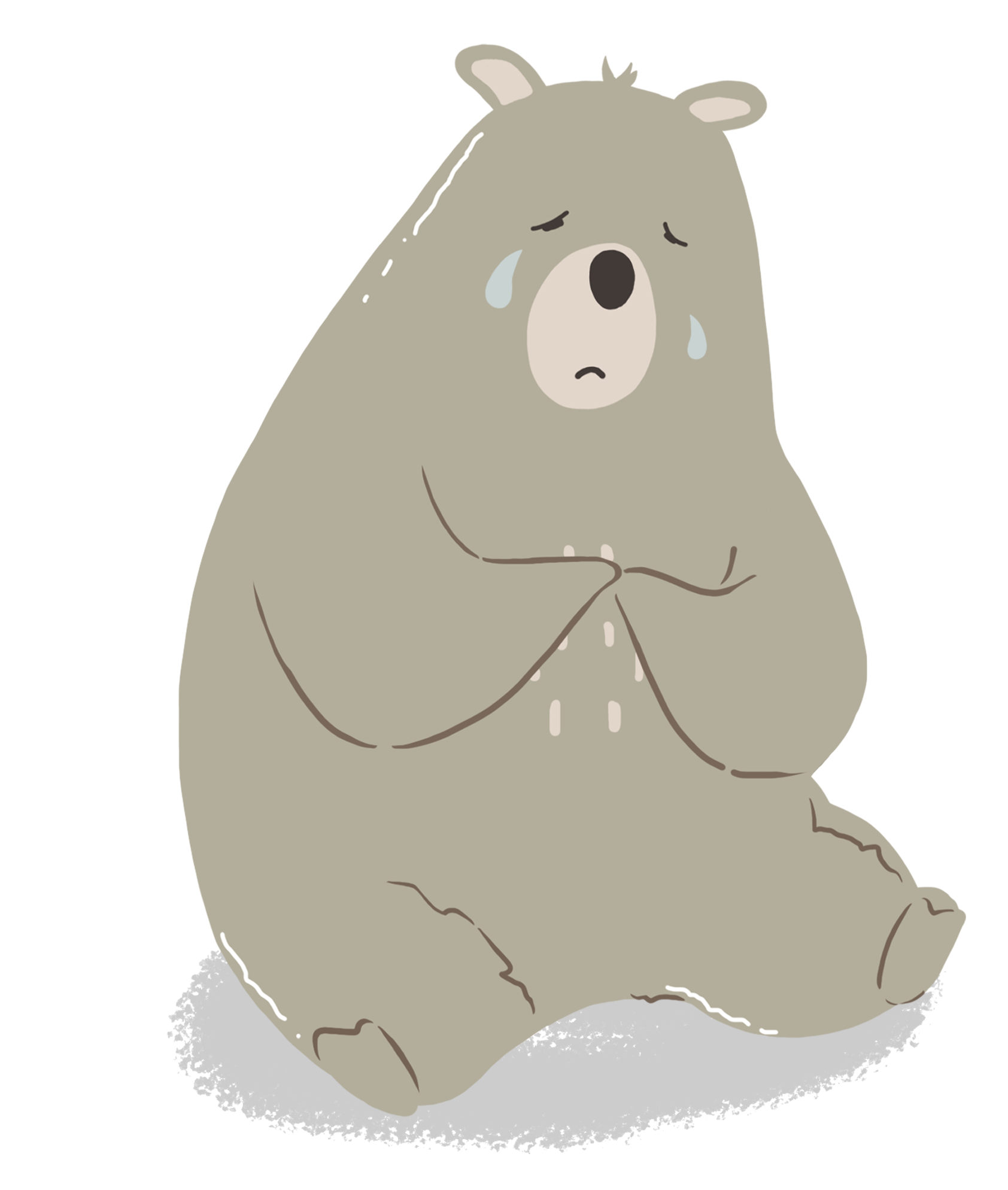
Meet Little Bear in this gentle story about separation anxiety
3
What Parents and Carers Need to Know About Separation Anxiety
This short clip is designed to help parents and carers understand what separation anxiety looks like in children and why it happens. It offers gentle guidance on how to support your child through moments of separation, with practical tips you can use at home, in school, or during daily transitions.
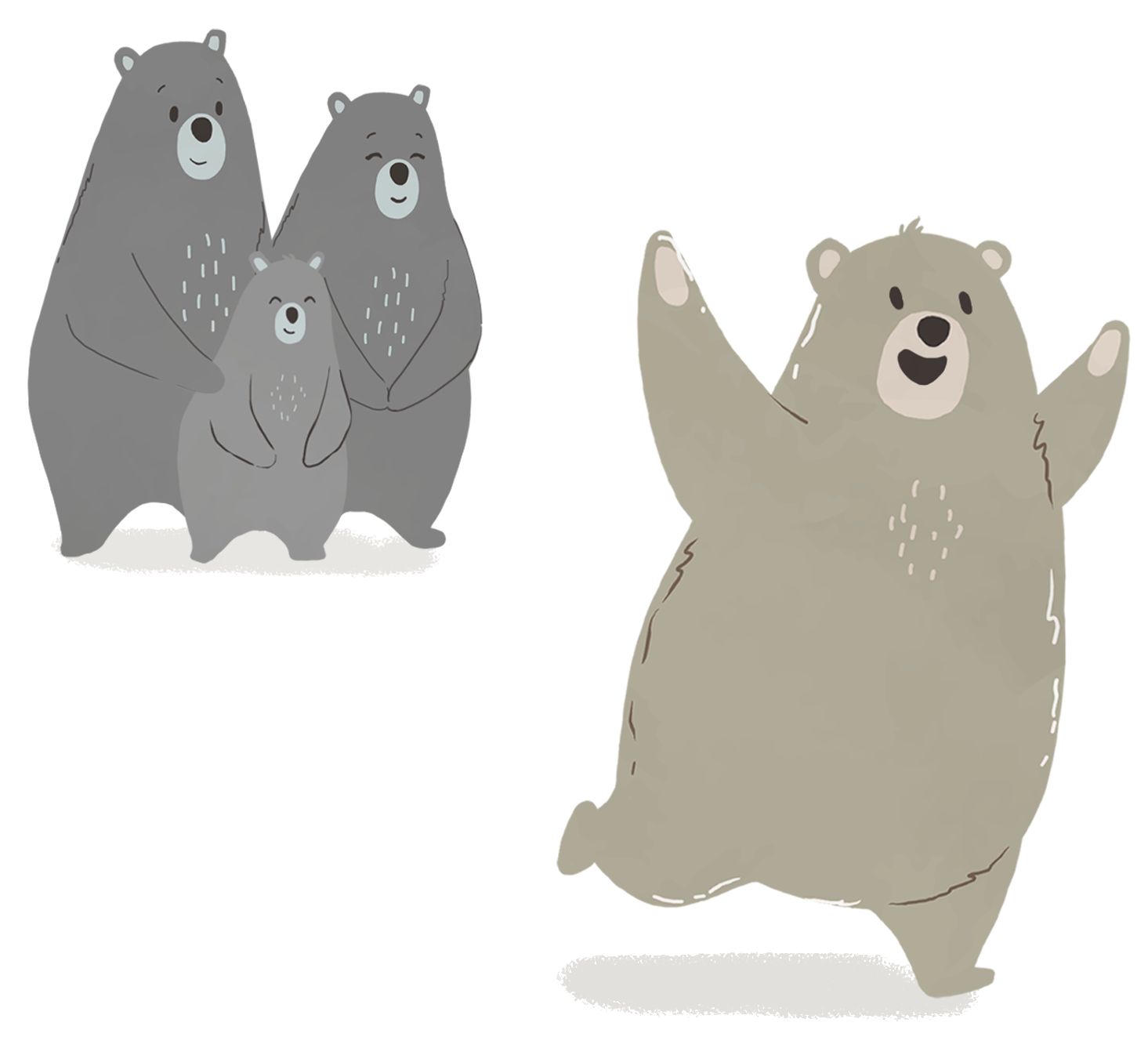
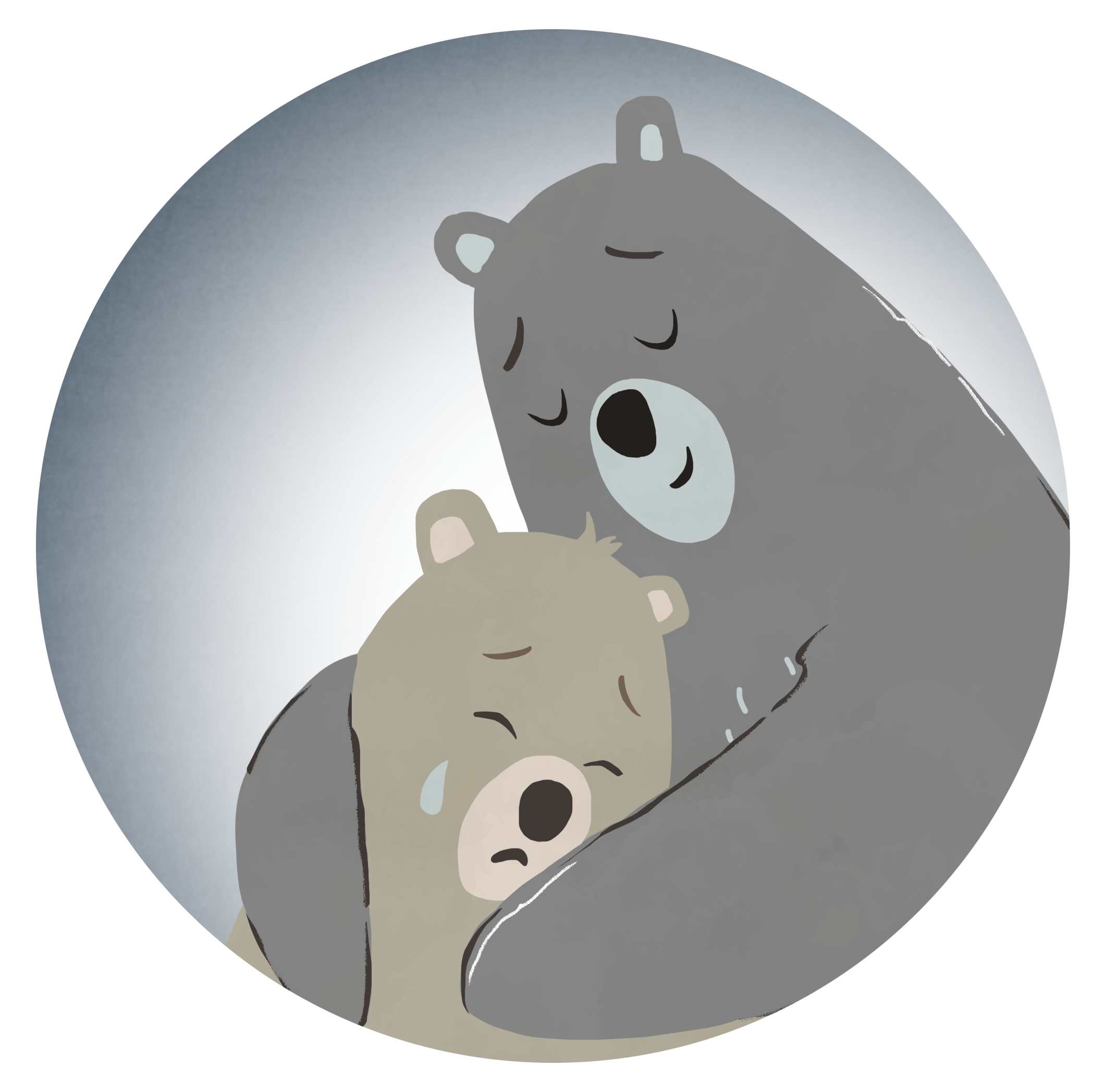
Meet Our Littlest Bear – Designed for Little Hands, Made to Ease Separation Anxiety

Tools to Support Your Child’s Wellbeing
-
Separation anxiety can show up in different ways depending on a child’s age and stage. In younger children, signs may include clinginess, crying when apart from a parent or carer, difficulty settling at bedtime, or refusing to go to nursery or school. Older children might express their anxiety through worries, stomach aches, irritability, or needing frequent reassurance. These behaviours are a child’s way of showing distress—they’re not being difficult, but rather struggling to feel safe when separated from someone they rely on. Recognising these signs early can help you offer the right support.
-
Separation anxiety is just one part of a child’s emotional world. You can continue supporting your child by exploring other gentle tools that help with grief, emotional regulation, and everyday challenges. From story-led animations to sensory resources and parent guidance, each element is designed to build connection, resilience and calm, one small step at a time.
-
There are simple, effective strategies that can help ease the challenges of separation for children. Creating predictable routines, offering gentle goodbyes, and using transitional objects like a comfort toy can all provide reassurance. Preparing children in advance for changes, using visual timetables, and staying calm and consistent during separations can also reduce anxiety. These approaches, rooted in child development and emotional regulation principles, support children to feel more secure whether at home, in nursery, or in school.