
Signs a Child Has Separation Anxiety
What Parent’s Need to Know
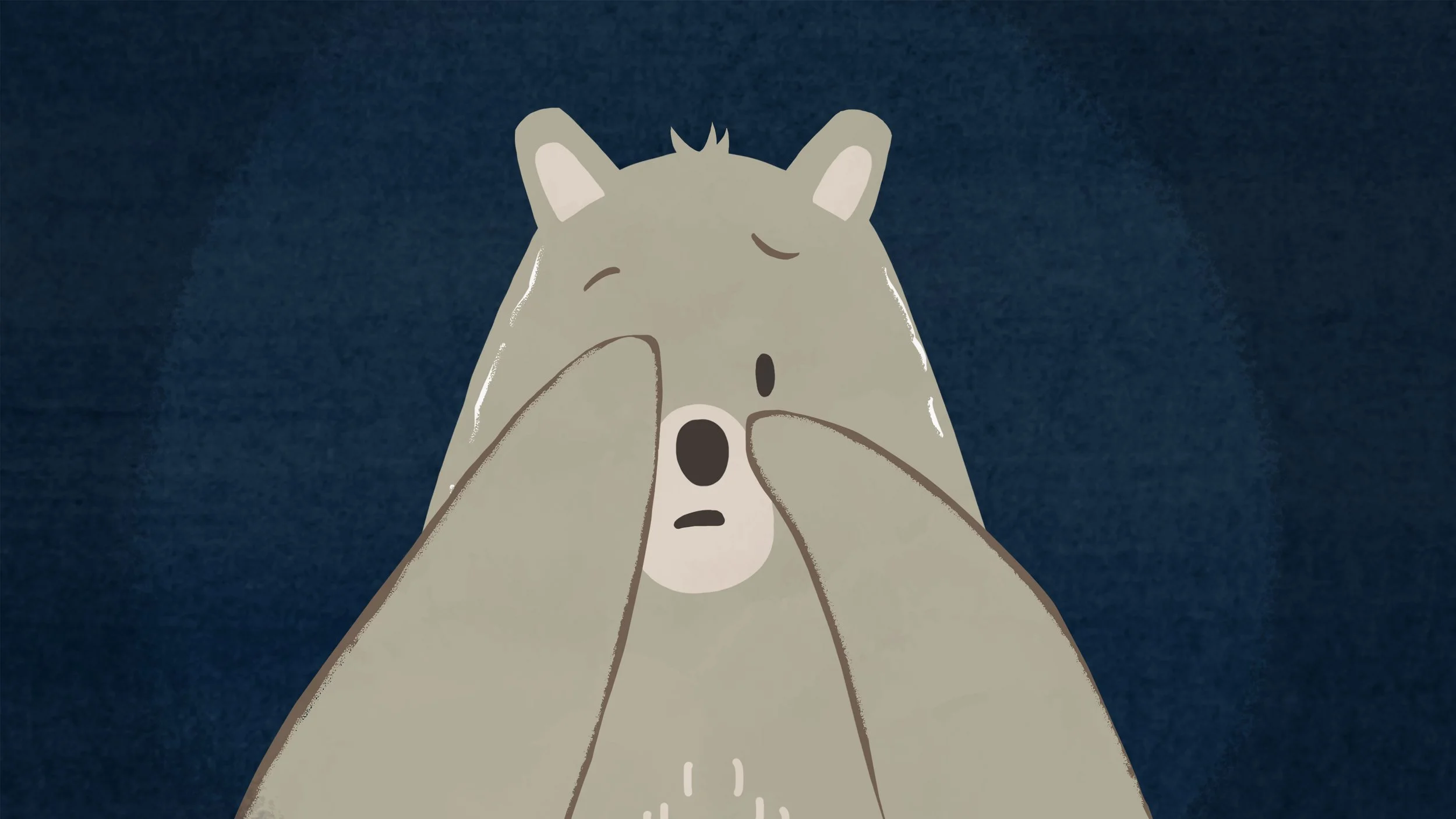
Every child goes through stages of wanting to be close to their parent or caregiver, it’s part of building a secure bond. But sometimes, the worry a child feels when separated from you is more intense and persistent. That’s when you may be asking yourself: “Does my child have separation anxiety?”
Separation anxiety is a natural developmental stage, but recognising the signs early helps you respond with calm, reassurance, and the right support.
At WayMaker, we’ve created the Little Bear animation to give children a story they can relate to, helping them understand their feelings and find comfort in knowing they are not alone.
What Are the Signs of Separation Anxiety?
While every child is different, here are some common behaviours to look out for:
Crying or Distress at Goodbyes
Your child may cry, scream, or cling when you leave, even for short periods.Difficulty Settling Without You
They may struggle to calm down with teachers, relatives, or babysitters, and take a long time to adjust.Bedtime Resistance
Children may refuse to sleep alone, need repeated reassurance, or wake in the night looking for you.Physical Complaints
Stomach aches, headaches, or feeling “unwell” before separation can be signs of anxiety showing up in the body.Constant Worry
Older children might voice fears such as, “What if you don’t come back?” or “What if something bad happens?”
How to Support Your Child
The first step is recognising the signs. The next is offering calm, consistent reassurance. Here are a few gentle ways to help:
Validate their feelings: “I know you feel worried when I leave, and that’s okay.”
Keep goodbyes short and predictable.
Offer a comfort object, such as a special teddy or our Small Bear companion.
Use stories and play, like the Little Bear Finds His Way animation, to help your child see that even though saying goodbye is hard, they are safe and loved.
When Is It More Than a Phase?
It’s normal for children to go through clingy stages, but it can also appear during transitions such as:
Starting nursery or school
Moving house
The arrival of a new sibling
After an illness or family change
If your child’s anxiety is very intense, lasts for several weeks, or affects daily routines, it may help to seek guidance from a professional like a play therapist. Find out more about play therapy.
Final Thoughts for Parents
If you’ve been asking yourself, “Does my child have separation anxiety?”, know that you’re not alone. Many families face this challenge, and with patience, children grow in confidence and resilience.
You can explore our child separation anxiety animation page for further resources, including Little Bear Finds His Way—a gentle story that helps children understand their worries and learn that they can find their way through.